Table of contents
Sunshine is the promise, but weather is the plot twist, and in a summer of record-breaking heat across southern Europe and sudden downpours farther north, travelers are increasingly discovering that the “ruined” day can become the one they remember most. Forecasts are sharper than ever, yet the atmosphere still surprises, pushing people off rigid schedules and into museums, markets, neighborhood bars, and late-night promenades they never planned. The result is a different kind of itinerary, less checklist and more story, shaped by the sky and rescued by smart choices on the ground.
When forecasts fail, cities reveal themselves
Why do the best days start badly? Because weather has a way of breaking the tyranny of the plan, and once the plan cracks, a city’s real life leaks through. The most common “surprise” across European city breaks is not a hurricane-style disaster but something smaller and more disruptive to expectations: a midday thunderstorm, an unseasonable cold snap, a heat alert that makes outdoor sightseeing feel like punishment. In practice, these shifts steer visitors toward places residents use year-round, from covered food markets and libraries to small galleries, cinemas, and neighborhood cafés where the pace is set by conversation, not by queues.
There is also a data-driven reason why the impact feels bigger than it used to. Heat is rising, and it is not subtle: the Copernicus Climate Change Service has repeatedly reported record global temperatures in 2023 and 2024, and the World Meteorological Organization has warned that heat extremes are becoming more frequent and more intense; in many parts of Europe, that translates into more days when walking tours at 2 p.m. simply stop being pleasant. Rain is changing too, with more intense downpours in short bursts, a pattern climate scientists link to a warmer atmosphere holding more moisture. For the traveler, it means the “window” for outdoor sights narrows, and the value of flexible, weather-smart planning grows.
That flexibility does not have to be vague. A solid approach is to structure days around two anchors, one outdoor and one indoor, and swap them depending on conditions. If a downpour cancels a panoramic viewpoint, switch to a design museum, a historic market, or an afternoon of slow dining in a district that would otherwise be rushed. If a heat alert hits, reverse the day: early morning outdoors, long shaded lunch, then late evening walking when the city cools and street life intensifies. The surprise is not just survivable; it becomes a reason to see the place as locals do.
Rain turns into a culinary itinerary
Nothing saves a day faster than food. In many destinations, rain pushes visitors into the spaces that best explain a city’s identity, and those spaces are often edible: markets with tiled counters and shoulder-to-shoulder energy, pastry shops that specialize in local staples, or small taverns where the menu is built around what arrived that morning. A wet forecast can be a gift if you treat it as permission to linger, order the second plate, and listen to the room, because a city’s culinary culture is rarely captured in a rushed stop between monuments.
The numbers underline why this works so well for travelers. Urban tourism spending in Europe is heavily weighted toward restaurants, cafés, and casual dining, and while exact shares vary by city, industry reporting from the UN World Tourism Organization and national tourism agencies consistently shows food as one of the top categories of visitor expenditure. Rain also redistributes footfall, concentrating people under roofs and creating spontaneous atmospheres, from busy counters at lunchtime to the late-afternoon calm when locals reclaim the space. If you have ever stumbled into a market to “wait out” a shower and left three hours later with a shortlist of places to return to, you already understand the mechanism.
The key is to build a culinary route that is modular, not fragile. Pick one neighborhood with several indoor options close together, then move by short hops, using arcades, metro lines, or taxis when the sky opens. In Madrid, for instance, the city’s rhythm is naturally split between long lunches and late dinners, and that makes it unusually well-suited to weather pivots; you can step into a covered market, stretch a meal, then re-emerge when the streets dry and the evening paseo begins. For practical ideas on how to stitch these choices into a coherent day, including fallback plans that still feel like travel rather than compromise, travelers often start with resources such as https://www.madrid-trip.com/, and then adapt the suggestions to whatever the forecast throws at them.
Heatwaves force a new sightseeing rhythm
Heat changes everything, especially in cities built for walking. The old model, breakfast then marathon sightseeing until sunset, is being replaced by a smarter pattern that many Mediterranean residents have always known: front-load the morning, disappear at peak heat, then return outdoors later. During official heat alerts, local authorities across Europe increasingly advise limiting strenuous activity in the hottest hours, staying hydrated, and seeking shade or air-conditioned spaces; tourists who ignore that guidance do not just risk discomfort, they risk turning an expensive trip into a recovery mission.
That is why the “unforgettable itinerary” in a hot spell is often an indoor-cultural one, with short, deliberate outdoor bursts. Think of a cathedral visit timed to escape the noon sun, a museum block that spans early afternoon, and a late evening route that feels like a second day, when temperatures drop and the city reactivates. This rhythm also improves the quality of what you see. Instead of racing from landmark to landmark, you spend enough time in a few places to understand them, and you experience the city’s transition from day to night, which is where many urban destinations show their personality most clearly.
Transport choices matter more in heat, too, and they can make the day feel effortless rather than punitive. Metro systems, trams, and shaded bus routes become strategic tools, not last resorts. So do small decisions: booking timed entry to avoid midday queues, choosing accommodations near the areas you will actually frequent, and carrying a refillable bottle to cut both cost and hassle. In cities like Madrid, where summer afternoons can be severe, the payoff is obvious: you trade a punishing midday walk for a cool interior, you emerge at dusk when plazas fill and terraces hum, and suddenly the weather is not the enemy, it is the director of a better scene.
Stormy detours create the best stories
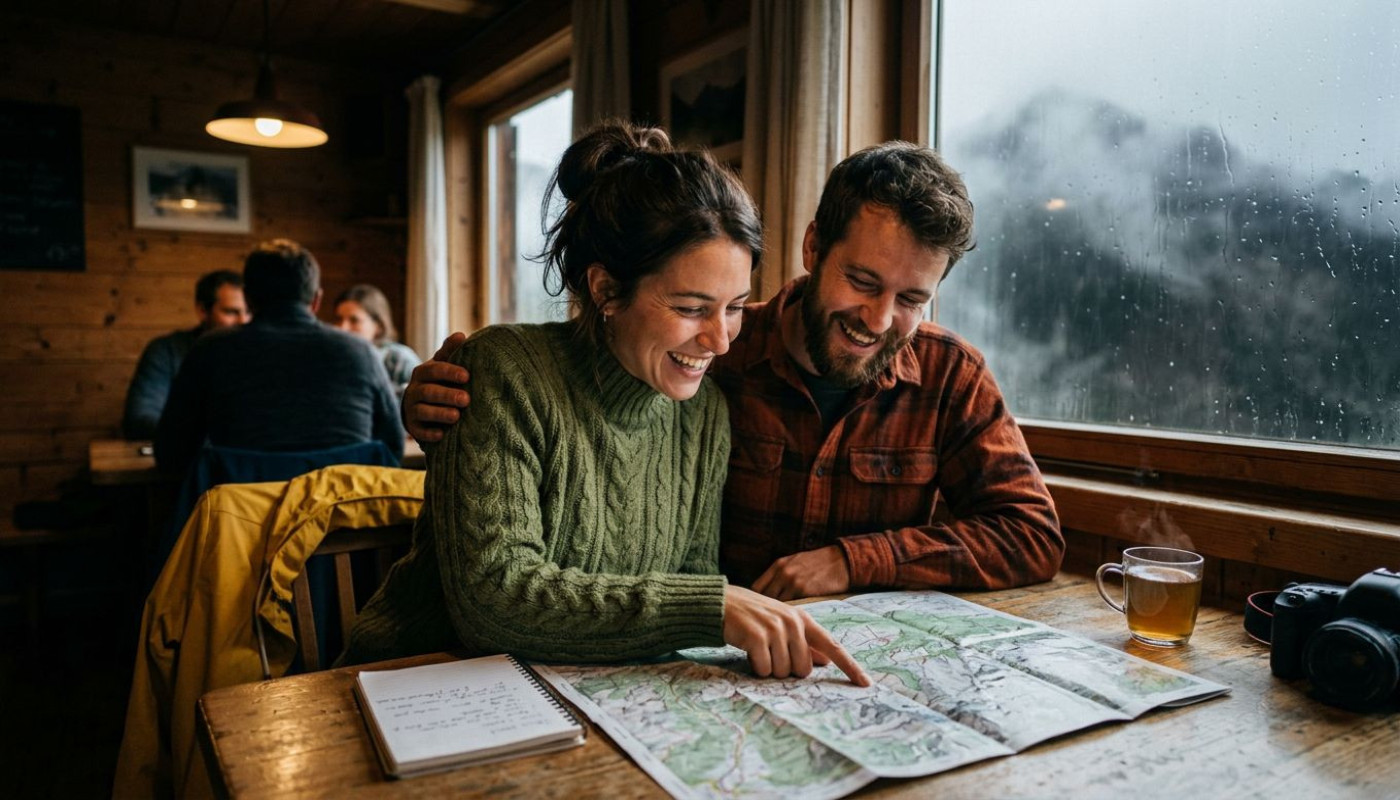
Are detours really travel’s secret engine? Yes, because the detour forces attention. When a sudden storm shuts down a river cruise, delays a day trip, or makes a viewpoint pointless, you are nudged into choices you would not normally make, and those choices are often more intimate: a small concert, a neighborhood cinema, a bookstore with a café, or a lesser-known museum you pick purely because it is nearby and dry. The story you tell later tends to come from these moments, not from the postcard shot you could have found online anyway.
There is a psychological element at play, too. Travel researchers have long noted that memory is shaped by emotion and contrast, and bad weather delivers contrast in seconds; you go from frustration to discovery, from gray skies to warm light inside a bar, from damp streets to the smell of coffee and baked goods. That swing imprints. It also encourages interaction, because when plans fail people ask for advice, they talk to hotel staff, they chat to strangers in a queue, and they pick up local knowledge that no top-ten list can provide.
To make detours work in your favor, prepare lightly rather than obsessively. Save a short list of indoor options that match your interests, check opening hours in advance, and keep at least one flexible booking each day. If you are traveling with family, identify one “morale saver” that can be deployed fast, such as an aquarium, a hands-on museum, or a food hall with space to sit. If you are traveling solo, build in room for slow activities: exhibitions, coffee tastings, architecture walks under arcades. Weather surprises will still arrive, but instead of stealing a day, they will hand you a different one, and that is often the better bargain.
Planning the pivot, not the perfect day
Book with flexibility, and budget for quick switches: a taxi in heavy rain, a timed museum ticket in extreme heat, or a longer lunch when the streets are soaked. Look for city passes and discounts, and check local or national schemes that reduce entry fees for students, seniors, or families. The smartest itinerary is not rigid; it is ready, and that readiness is what turns weather into a memory.
Similar